
Osteopathy, Chiropractic, and Physiotherapy: What’s the Difference?
The truth is these professions have more in common than you might think.
All three are university-trained, government-regulated, and dedicated to helping people manage musculoskeletal pain that is, pain coming from joints, muscles, or related tissues. Each profession has a protected title, meaning practitioners must be fully qualified and registered to use it.
So how do they differ? While there's plenty of crossover, the main distinction lies in the philosophy behind the treatment and the methods commonly used.
Osteopathy
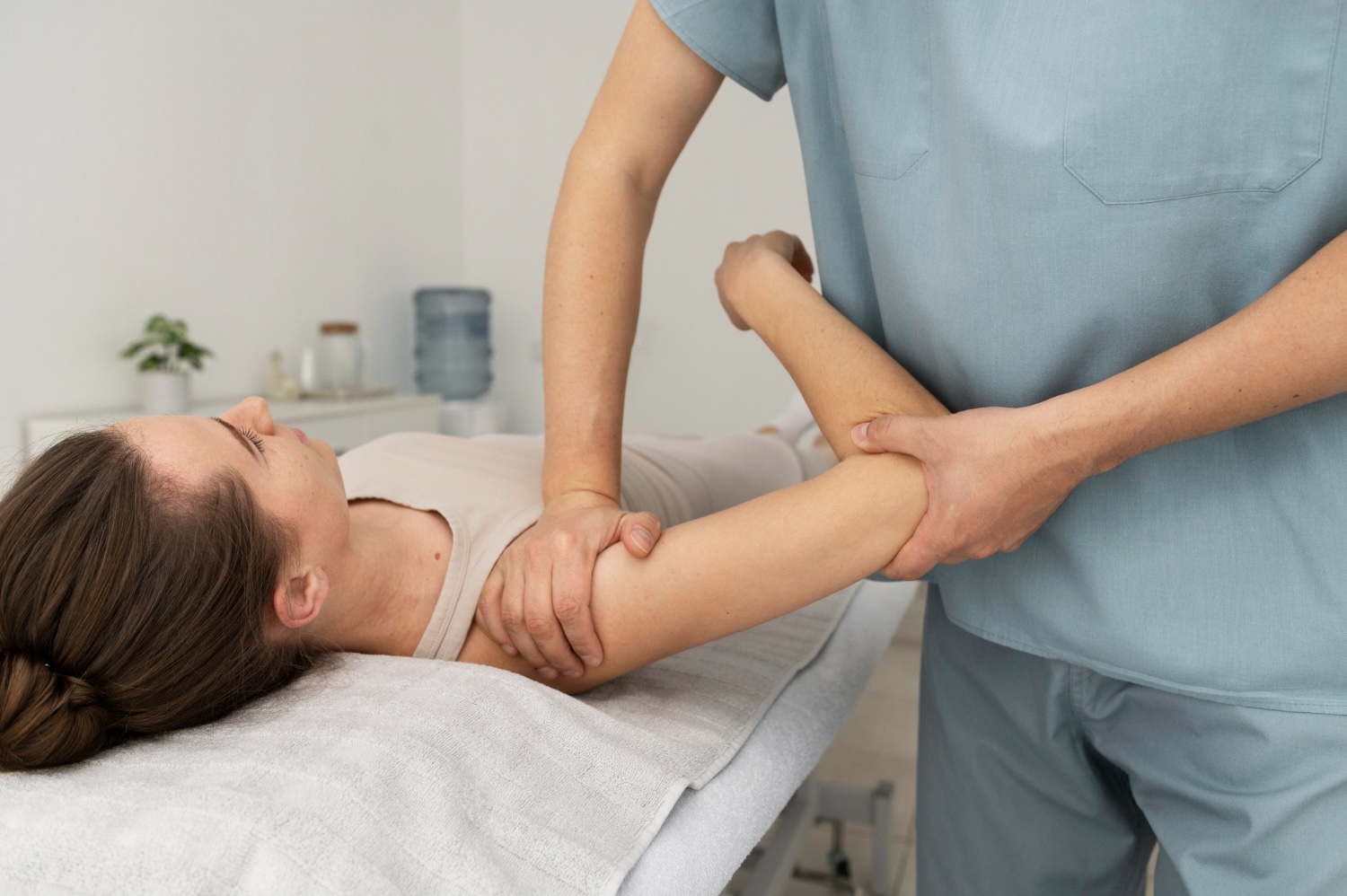
Whole-person, hands-on care
Osteopaths take a holistic approach to treatment. That means looking beyond the painful area to explore what might be contributing to it posture, movement, strength, flexibility, lifestyle, and even how your nervous system is processing pain.
What to expect:
- A hands-on approach from your first session
- Techniques may include massage, joint mobilisation, manipulation (‘cracking’), and medical acupuncture
- A focus on understanding your pain in context physically and emotionally
- Personalised exercise plans to support long-term health and movement
Osteopathy is rooted in the belief that when the body moves well and pain is well-managed, good health naturally follows.

Chiropractic
Targeted joint-focused care
Chiropractors are primarily focused on the joints of the spine and limbs, and how these affect the rest of the body. Their aim is to restore proper movement and alignment to support surrounding muscles, nerves, and tissues.
What to expect:
- A strong focus on joint manipulation and spinal adjustments
- Biomechanical assessment of how your body moves
- May include electrotherapy, such as interferential current, to support treatment
- Emphasis on restoring natural joint function to improve overall performance
Chiropractic care is guided by the idea that when your joints move well, your whole body can function better.
Physiotherapy
Function-focused, exercise-led recovery
Physiotherapists often take a movement and function-based approach to musculoskeletal pain. They look closely at biomechanics how your body moves as a system and use that insight to create a personalised recovery plan.
What to expect:
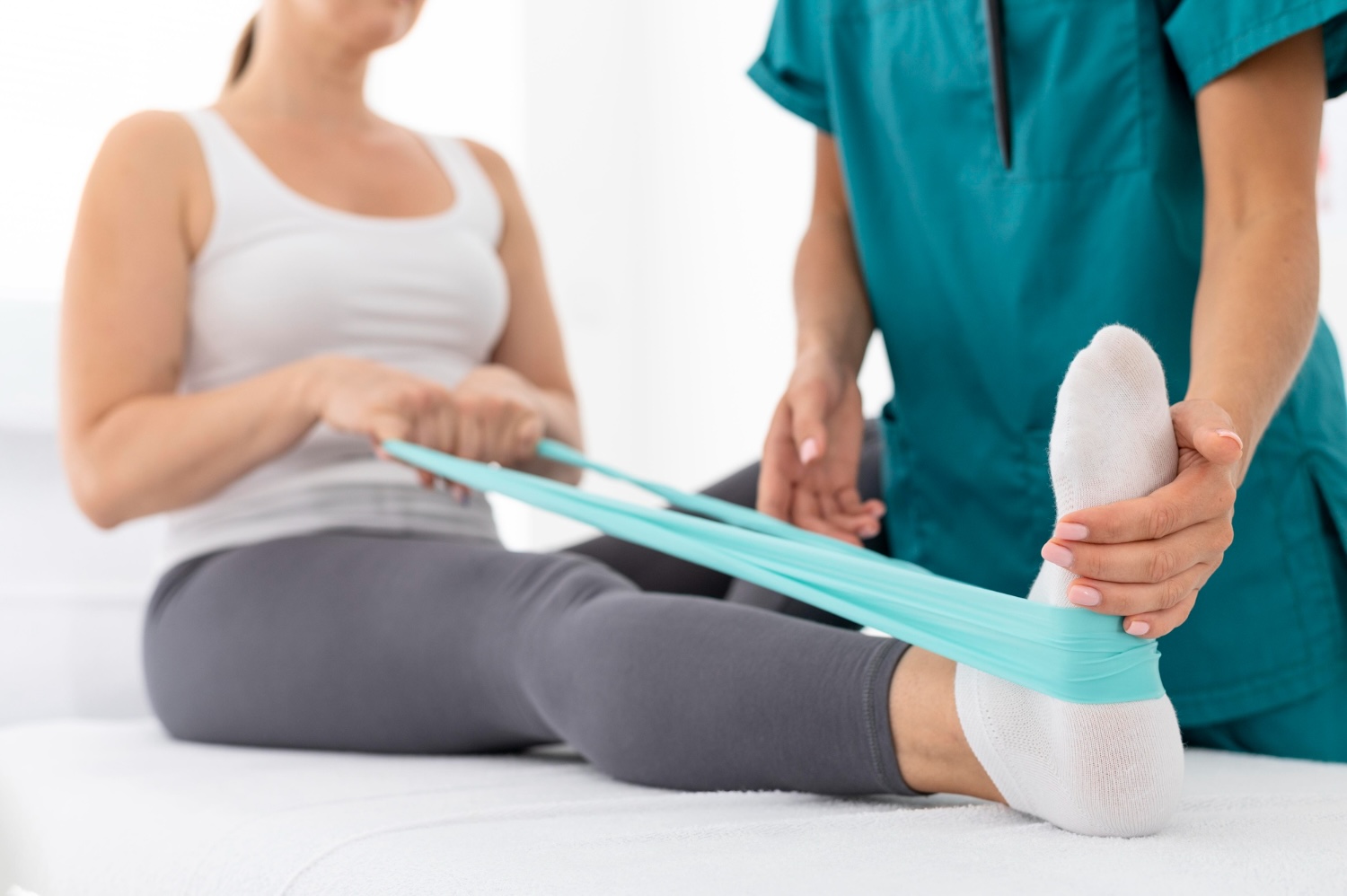
- A structured focus on rehabilitation and exercise
- Hands-on treatment is used occasionally, but exercise is the main tool
- May incorporate technologies like ultrasound or shockwave therapy
- Aims to restore strength, flexibility, and resilience over time
Physiotherapy is all about giving you the tools to move better, feel stronger, and prevent future issues.
So, Which One Should You Choose?
There’s no “best” option just what’s best for you.
Many conditions can be effectively treated by any of these professionals, and in reality, there’s a lot of overlap in how care is delivered. It often comes down to personal preference, the style of treatment you feel most comfortable with, and your specific needs.
If you're unsure where to start, we’re happy to help guide you toward the most suitable practitioner for you.
